

Why Age Matters for Film
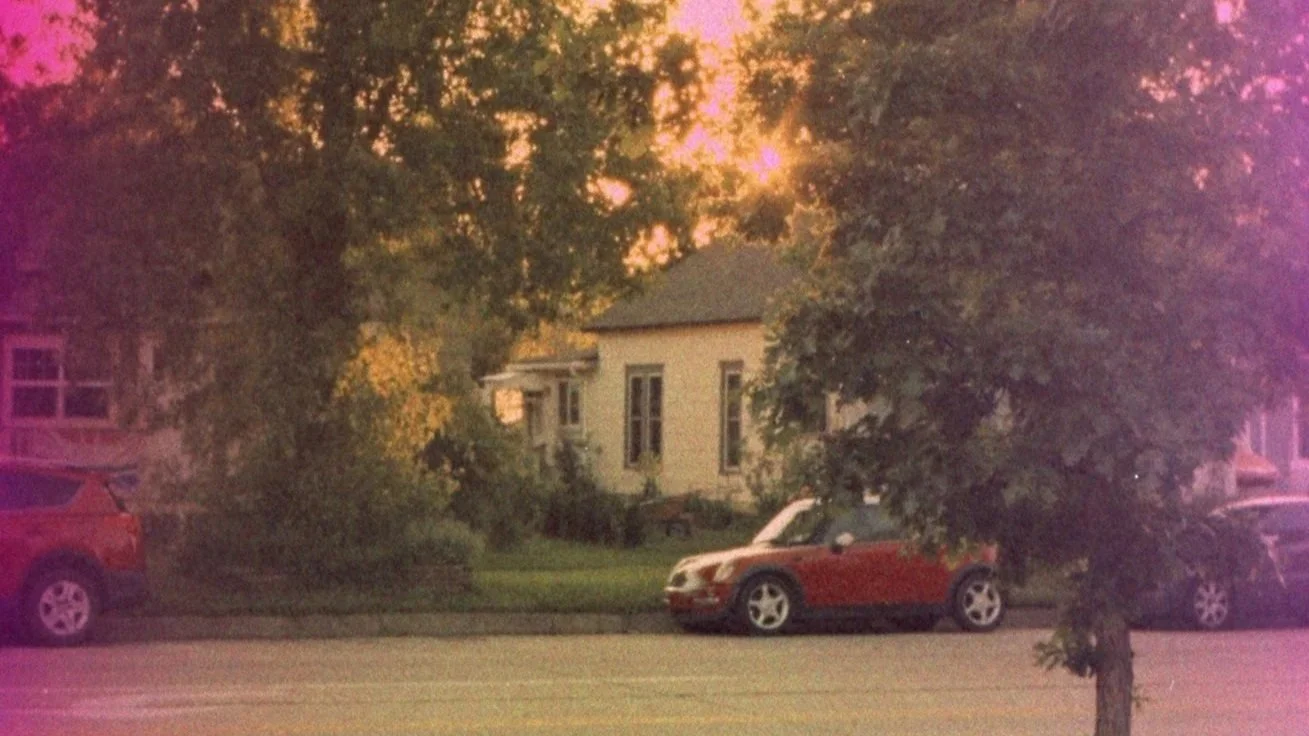
Finding an old disposable camera or an old film canister is like discovering a time capsule in a junk drawer. We love these hidden treasures, but film is a bit like a carton of milk—it doesn’t stay fresh forever. Every roll is a living chemical record that reacts to its environment over time.
While we use every tool in our darkroom to rescue these moments, the age and storage of the film play the biggest roles in what we can bring to light. Let’s look at why those old photos might look more like a hazy sunset than a crystal-clear snapshot.
The Accumulation of "Base Fog" (Chemical Static)
To understand why old film looks "cloudy," you first have to know how it’s built. Film is a thin layer of light-sensitive silver crystals (emulsion) coated onto a flexible, transparent base. When you click the shutter, these crystals record that light instantly, creating a hidden pattern that will eventually become your photograph. While every roll has a natural starting density called Film Base Fog (FBF), these silver crystals can slowly break down over time—even if the film is never exposed to light.
Your film doesn’t just react to the light from your camera lens; over the years, it starts to react to the natural changes in elements like humidity, temperature, light leaks, traveling through airports (the dreaded x-rays!), and honestly - sometimes the emulsion can just break down for no good reason.
Ahhh, the ~*unpredictability*~ of film.
What is "Fog"?
This random, steady breakdown of silver halides has a similar effect as accidentally exposing your entire roll of film to a very faint light for two decades. We call this “fog.”
Fog creates a layer of silver density over your images. Imagine trying to look at a beautiful landscape through a screen door; the picture is still there, but there’s a consistent "mesh" standing between you and your memories..
Because this aging process is random, and sped up by the elements, fog doesn’t just happen where you took a photo—it occurs evenly across every inch of the film.
How Fog Affects Different Films
Color film is just as vulnerable to random fogging as black and white, but with a much more colorful twist. Which sometimes can be pretty cool!
Modern color film is made of three separate layers —
Yellow: sensitive to blue tones
Magenta: sensitive to green tones
Cyan: sensitive to red tones
Each layer contains silver halide crystals, and will age at different rates. This is why an old color roll doesn't just look cloudy; it can take on unexpected color casts.
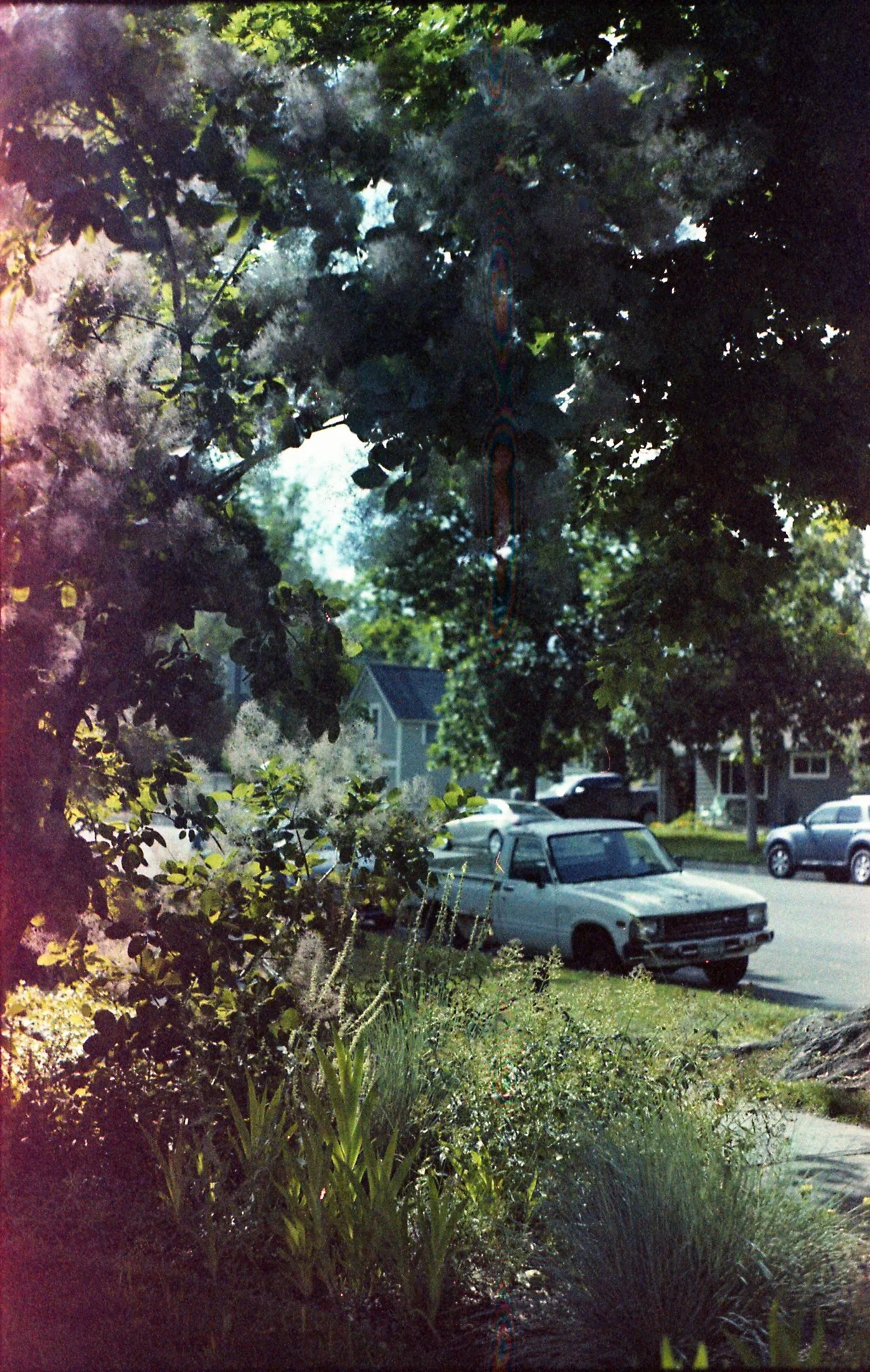
Color Film (The Chromatic Shift): When they fall out of balance, expect varying color shifts - much of the time leaning to purple and pink hues, and sometimes greens and yellows.

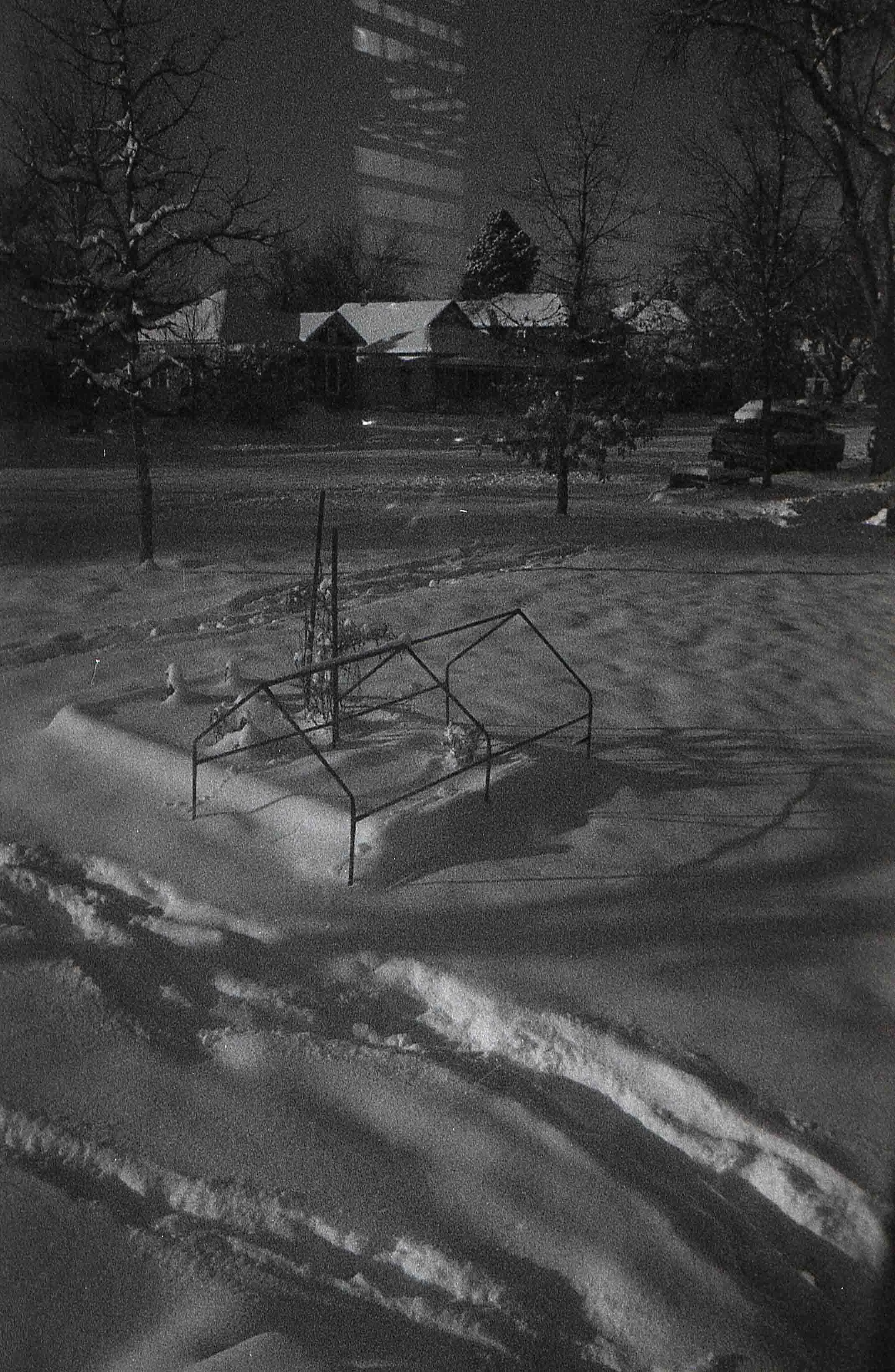
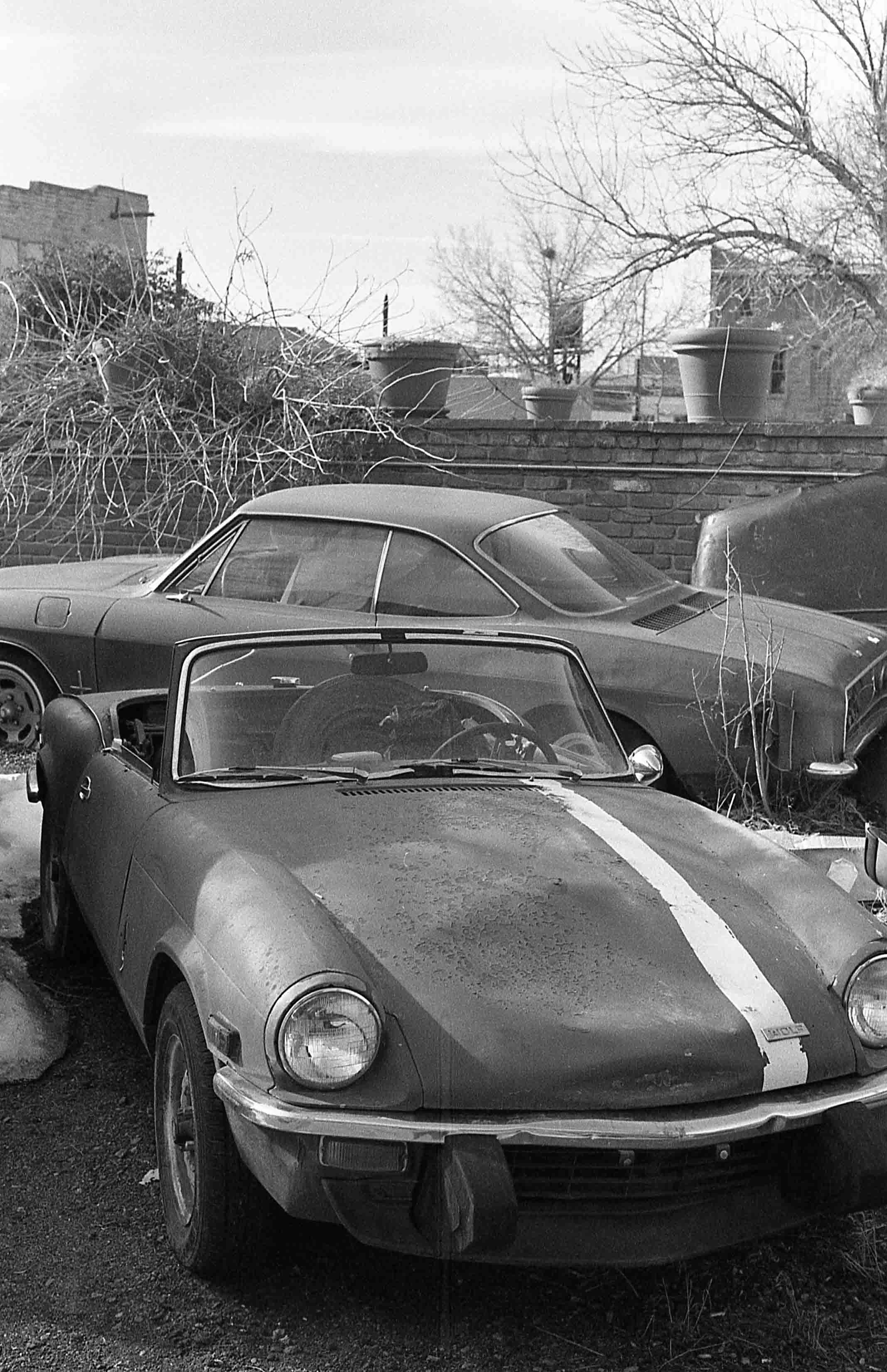
Black and White (The Grey Veil): Fog creates a physical barrier of silver, making your deepest blacks look like a cloudy, "muddy" grey. You’ll often notice more grain and less contrast in black and white films.
Loss of Light Sensitivity
If the first problem with old film is a "cloudy" look in black and white, or color shifts in color film, the second problem is that the film simply loses its “power” to record light.
Think of it like an old battery that can’t hold a full charge. As the silver crystals age, they lose the energy needed to "catch" the light. This makes your film less sensitive the longer it sits on a shelf, and underexposure becomes a higher possibility.
How to Make Your Film Last
The best advice we can give is to store your film in a place that keeps it away from the elements like light, hot temps, and humidity… have you guessed it? Your refrigerator! Whether you’ve just purchased fresh film or found a roll that hasn’t been shot, it will keep longer if stored in a cool dark place. To help with humidity, go ahead and throw your film in a plastic bag, seal it up, and find an empty spot in your fridge. When you’re ready do shoot, let your film warm up a bit in a dry place to room temp and make sure to take it out of the bag while it’s warming. Now you’re ready to shoot!
How to Combat the Fog
To give your film a much-needed boost while shooting, we can provide it with more light. This means shooting it in another ISO rather than box speed, opening up your aperture, or exposing it for a bit longer. If you’re working with an old roll of film, follow these tips to give your film the best chance:
The "One Stop Per Decade" Rule: For every 10 years a film has been expired, give it double the light (+1 stop).
Black & White: This is the most forgiving film for aging. Since there’s no color to shift, it handles extra light fairly well. Don’t be afraid to be generous with the sunshine!
Color Film: It has decent latitude and handles overexposure well. Just remember that colors will be unpredictable—think of it as a creative experiment.
Disposable Cameras: A true experiment! Because we cannot manually control the settings, we don’t recommend shooting indoors with expired disposables - the more light the better, and preferably UV. Get outside in the sunlight and expose those suckers!
A Little Help from the Lab
We don't just drop your film into a machine and hope for the best. While we use standardized darkroom and scanning practices for every roll that comes through our doors, we know that older film needs a little extra attention once it hits our computer screen.
This is where the real rescue mission happens. During post-processing, we do our best to coax your film back to life. Whether it’s carefully adjusting the contrast and levels to see through that "screen door" of fog, or color-correcting a stubborn purple tint, we manually fine-tune each frame to produce the best image possible from your vintage memories.
Old film is unpredictable, but that’s part of the magic. Even with a bit of fog and a few color shifts, there’s nothing quite like seeing a lost memory surface for the first time in decades. We're ready when you are to bring those moments back to life!